Bible crossword puzzle: Isaiah, Jeremiah, and Ezekiel
TL;DR: This crossword is over textbook material on three of the Bible's "major prophets." The book covers the development of prophecy in ancient Israel as well as the key themes and phrases of Isaiah, Jeremiah, and Ezekiel.
Ezekiel cuts off his beard and hair and burns it (Ezekiel 5:1-4), c. 525 AD, unknown | Image Source
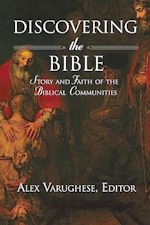
Based on material in chapters 13 and 14, Discovering the Bible by Alex Varughese
Challenge: Can you solve this puzzle even if you do not have the book by Varughese?
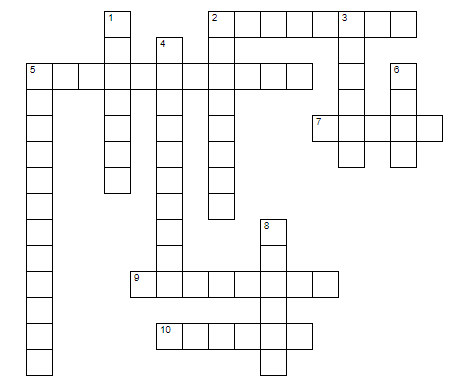
ACROSS
2 A king whom Isaiah counseled. As a biblical archaeology video we saw in class reminded us, it was this king who withstood an Assyrian siege of Jerusalem in part because of a water tunnel he built
5 The aspect or feature of prophetic ministry that consists of predictions or announcements about the future
7 Name of a nation that appears in Ezekiel (and later in Revelation) and may
symbolize all the worldly evil powers that are hostile toward God's plans and purposes.
9 The man often referred to as the "weeping prophet." He witnessed the destruction
of Jerusalem by the Babylonians. His preaching was filled with symbolic object lessons that
used pottery, figs, a yoke, a tree by water, and a belt.
10 The king who died the year Isaiah heard a call from God
DOWN
1 A prophet during the Babylonian exile who prepared the Jews for their eventual rebuilding of the city of Jerusalem. His writing includes the vision of the valley
of dry bones and a description of Israel as sheep without a shepherd.
2 A characteristic of God that is a dominant theme in Isaiah
3 What our textbook calls "the greatest prophetic book in the Old Testament." This book contains more material about the Messiah than any other Old Testament writing.
4 What Jeremiah says is the only prerequisite to salvation
5 The aspect or function of prophetic ministry that challenges people to repent and restore their relationship with God
6 The writing about social justice by a mid-eighth-century shepherd that is the first literary product of Israel's prophetic tradition
8 The "non-writing" or non-canonical prophet who challenged the prophets of Baal on Mount Carmel
This crossword puzzle was created for use in the course Introduction to Biblical Literature. The words and clues come from the textbook Discovering the Bible: Story and Faith of the Biblical Communities edited by Alex Varughese and published by what is now called The Foundry.
Isaiah, Jeremiah, and Ezekiel are prominent figures in the Old Testament. These prophetic writings were important guidaing forces on ancient Israel. Isaiah, often regarded as the prince of prophets, is known for his poetic language and symbolic visions that call attention to redemption, judgment, and the coming Messiah. Jeremiah has messages of warning and lamentation, foretelling the fall of Jerusalem and the Babylonian exile while offering hope for restoration. Ezekiel is known for his vivid and symbolic visions that carry messages of both judgment and restoration. While each prophet had a unique style and message, they all shared a commitment to proclaim God's word and call God's people to repentance, faithfulness, and hope in challenging times.